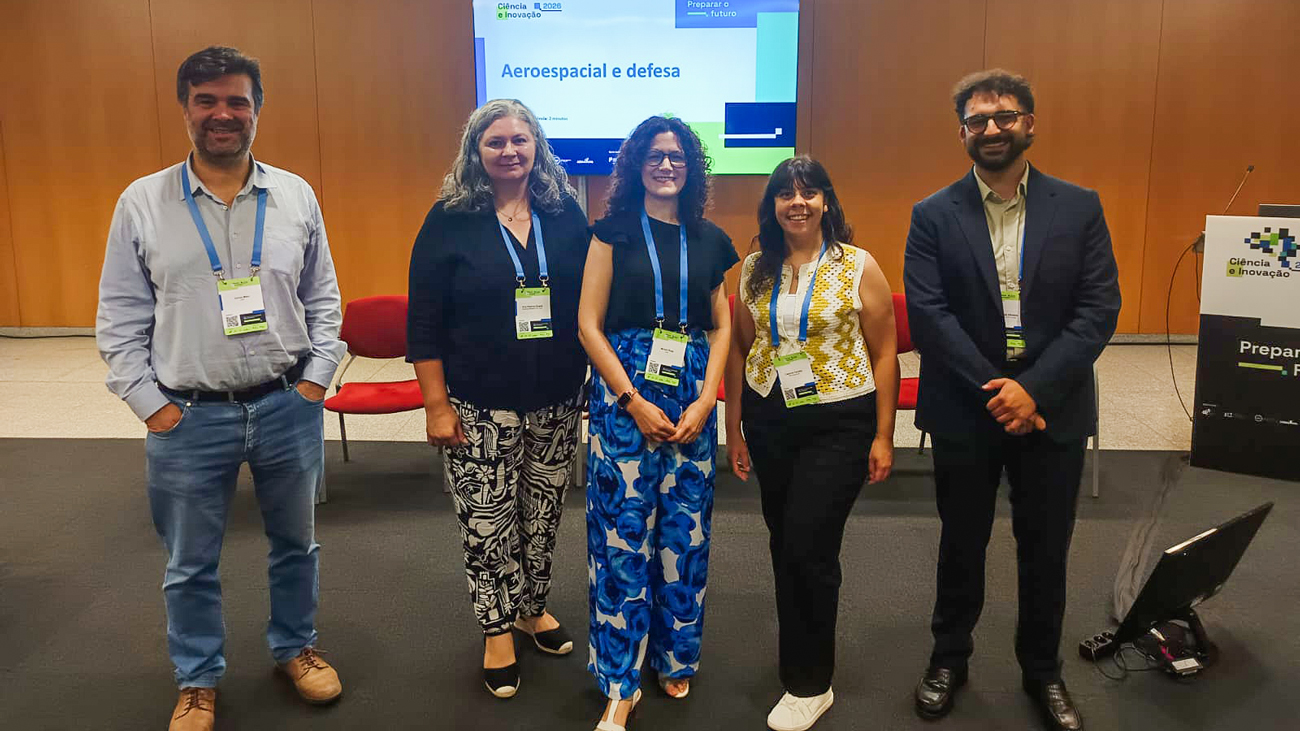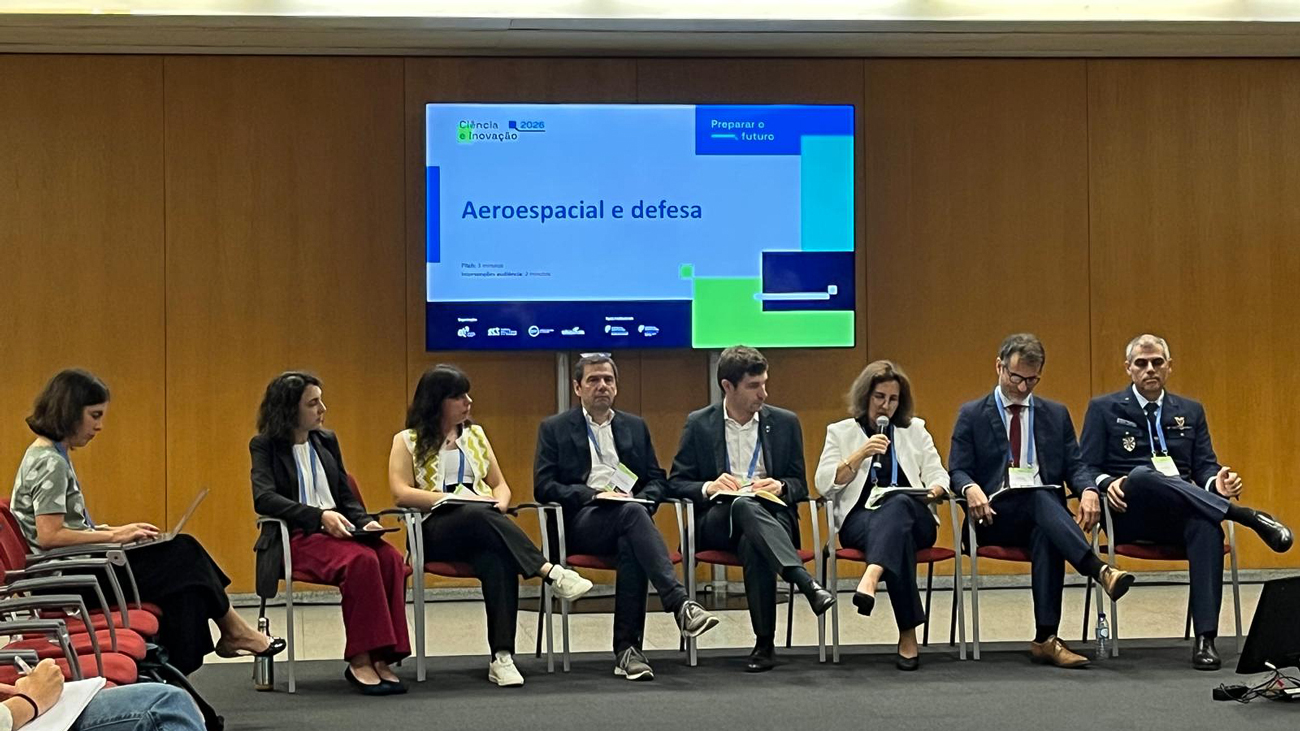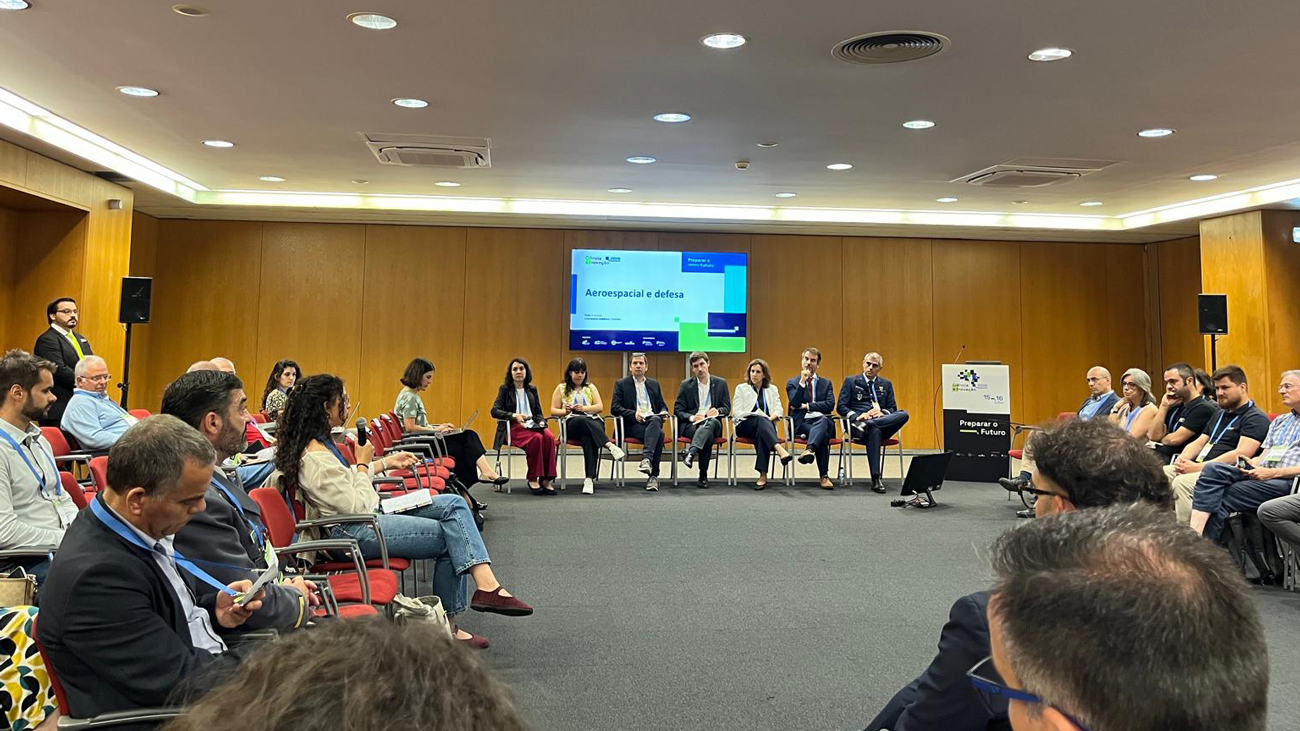

Catarina Farinha at the Portuguese Science Summit Innovation 2026
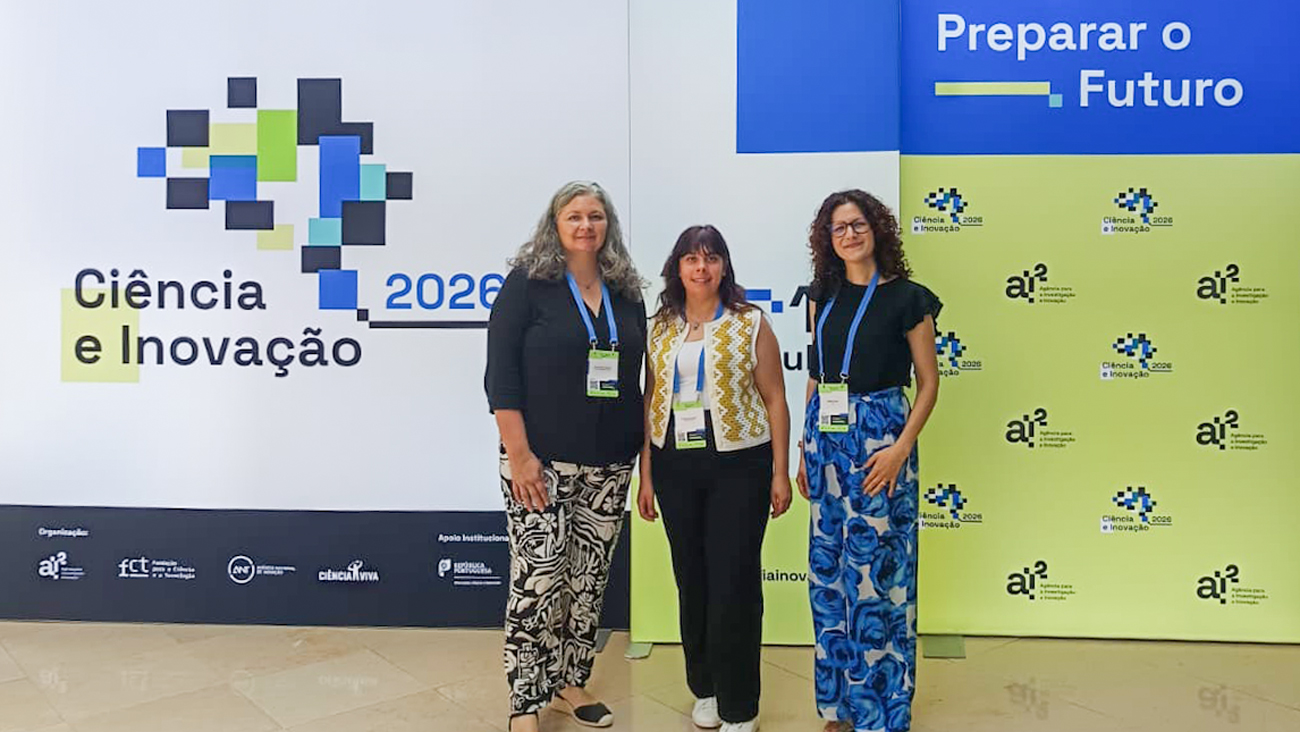
Catarina Farinha at the Portuguese Science Summit Innovation 2026
On 16 July, BRU-Iscte PhD candidate Catarina Farinha took part in the Portuguese Science Summit Innovation 2026 [Ciência e Inovação 2026] event, organised by the Agency for Research and Innovation [Agência para a Investigação e Inovação], one of the main national gatherings bringing together the scientific community, higher education institutions, industry, public decision-makers, and civil society to discuss a range of areas, under the theme Preparing the future.
Catarina Farinha took part in the parallel session on Aerospace and Defence, contributing to the debate with the proposal Competences for the (Aero)Space Sector: How to align education, talent and industry to prepare the future?
At a time when the (aero)space sector is assuming growing relevance for competitiveness, technological sovereignty and innovation, it becomes essential to reflect on how universities, industry and public bodies can collaborate to develop the competences required by future professionals in the sector, without overlooking the continuous updating of professionals currently in employment. Lifelong learning becomes fundamental and indispensable to ensure the qualification and adaptation of human capital in this sector, guaranteeing a better capacity to respond to the challenges the sector faces.
The proposal presented was developed jointly with various actors from the ecosystem, bringing together BRU-Iscte, QSR – Talent Driven Culture, AED Cluster Portugal, the Portuguese Space Agency – Portugal Space, and Instituto Pedro Nunes (IPN). It was an excellent opportunity to discuss challenges and identify opportunities for bridges between science, education, innovation and industry.
The main conclusion of this debate was a commitment to collaboration and coordination strategies between entities and actors within the sector’s ecosystem, enabling more effective development and, in this sense, promoting the sovereignty and cohesion of the sector within the country. Issues relating to competences must be addressed through a collective effort, in which the social sciences play a fundamental role in this development process, contributing to knowledge of the human and organisational dimensions that influence the development and training of professionals in the sector. In this context, PhDs undertaken in non-academic settings, as in the case of this PhD candidate, play a crucial role in this bridging and articulation between academia and industry.
Catarina was accompanied by supervisors Patricia Duarte and Miriam Rosa.
The session results were published here: Sessão 13: Aeroespacial e Defesa