
Developing and testing an AI agent capable of providing regular feedback to teams on their interpersonal processes, as the basis for continuously improving teamwork.
About
Trained in video, audio and text analysis to extract relevant patterns of interpersonal processes (e.g., escalation of conflict, negative affective climate), and in how to provide evidence-based feedback to the team about those processes, YODA will help team members anticipate relevant interpersonal hurdles and react appropriately to maintain good interpersonal relationships in the team — one of the fundamentals for team effectiveness and performance.
Develop and train an AI agent for the detection of interaction affective and conflict patterns from multiple-source information types.
Explore the developmental role of the agent, by defining feedback messages tailored to the interpersonal needs of the team identified previously, and explore their impact on the team's performance, viability, and interpersonal processes over time.
Analyse the impact of different types of agent-led feedback, in terms of content and form, on the perception of YODA as a team member by the remaining members of the team, and its relationship to team effectiveness.

Team
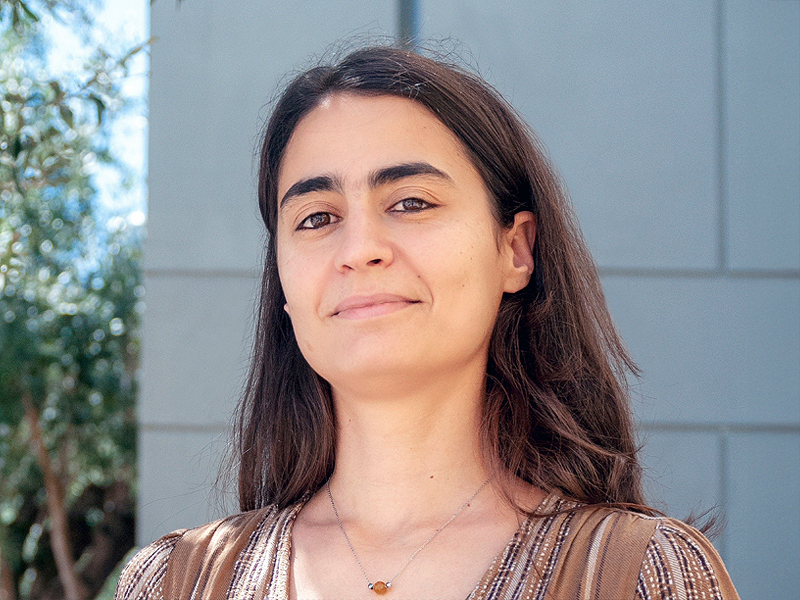
Patrícia Costa
PIBiography
Patrícia Costa is Professor of Organizational Behavior at Iscte and researcher at BRU-Iscte. Her work examines virtual-team effectiveness and technology, with around 100 scientific outputs. She has supervised PhDs and 100+ master's projects, and led research, academic-management, consulting and training roles.
View CV →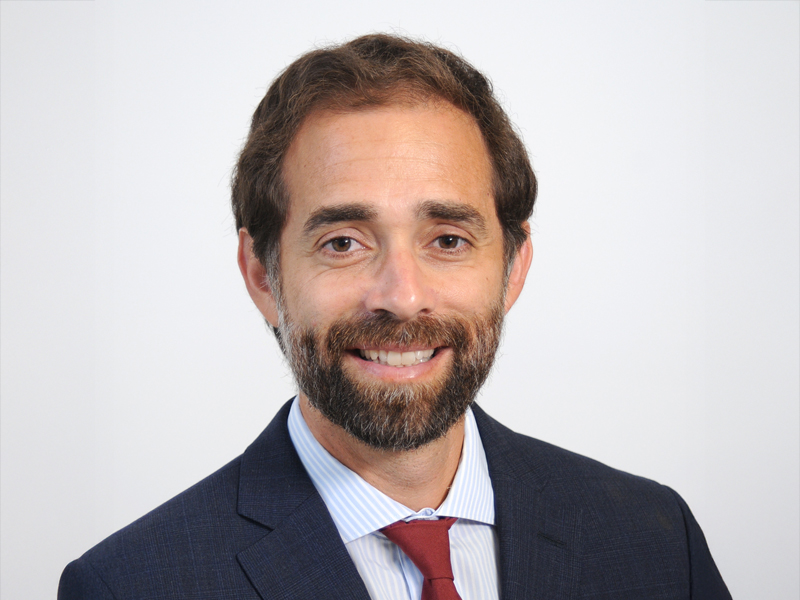
Pedro Quinteiro
Co-PIBiography
Pedro Marques Quinteiro is Associate Professor at Universidade Lusófona and a researcher at Intrepid Lab - CETRAD. He earned his PhD in HRM & Development from ISCTE in 2015. His research focuses on teams in extreme and high-stake environments. He is a member of the European Space Agency Life Sciences Work Group.
View CV →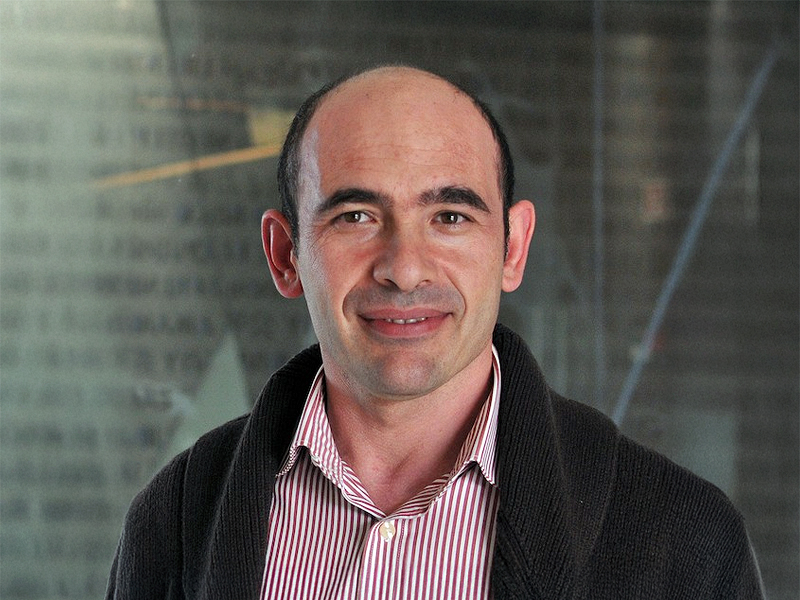
Fernando Batista
ResearcherBiography
Fernando Batista is Full Professor at Iscte and a researcher at INESC-ID. He earned his PhD in Computer Science and Engineering from IST in 2011. His research focuses on Natural Language Processing, Machine Learning, and social media text mining. He has coordinated research projects, organized international scientific events and LxMLS, and is a Senior Member of IEEE.
View CV →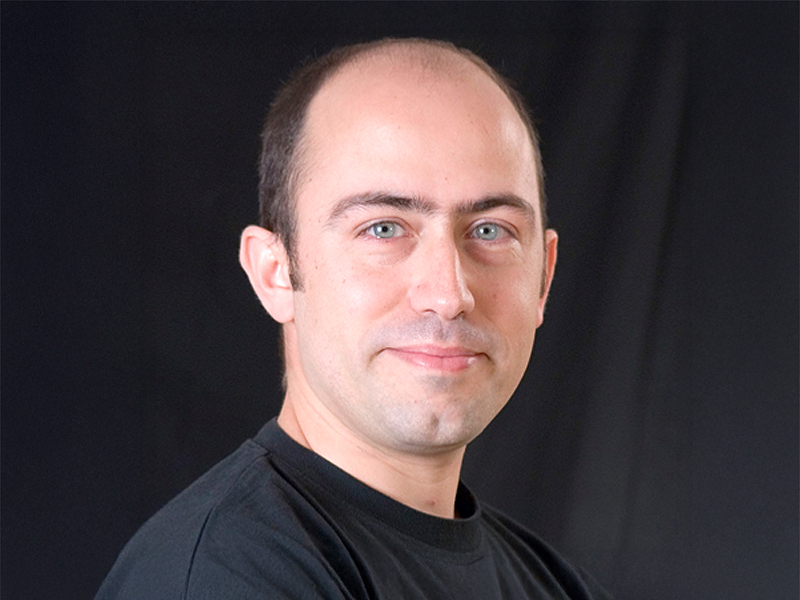
Ricardo Ribeiro
ResearcherBiography
Ricardo Ribeiro is an Associate Professor at Iscte - Instituto Universitário de Lisboa and a researcher at INESC-ID Lisboa, where he is part of the Human Language Technologies research area. His current research interests focus on high-level information extraction from unrestricted text, speech or music, and improving machine-learning techniques using domain-related information.
View CV →
Alberto Abad
ResearcherBiography
Alberto Abad is an Associate Professor at Instituto Superior Técnico and researcher at INESC-ID, where he coordinates the Human Language Technologies laboratory. His research focuses on speech and language technologies, healthcare applications, and privacy-preserving speech processing. He is a Senior Member of IEEE and a member of ACM and ISCA.
View CV →
Rui Silva
PartnerBiography
Rui Silva is a Solution Advisor at Critical Software, where he works in the Business Critical Solutions cluster, delivering dependable software and systems for financial services and other business-critical domains. As the project’s business partner, he brings an industry perspective on how AI-supported team feedback can be applied in real-world engineering teams.
LinkedIn →
Three years, seven milestones.
Integrative review
Integrative literature review completed
Behaviour list
List of behaviors for training
Trained agent
Trained agent
First Lab Test
First laboratory study conducted
Fine-tuning
Agent's fine tuning completed
Real-life Test
Real-life teams study conducted
Experimental study
Experimental study conducted